Are AI Financial Tools Safe? A Plain Guide
An AI financial tool can save real time — but “safe” depends on the tool and how you use it. This plain-English guide breaks down the data, accuracy, advice, and scam risks, and how to use an AI financial tool sensibly.
From budgeting apps to robo-advisers to AI tax assistants, an AI financial tool now sits between many people and their money. The natural question is whether that is safe. The honest answer is that it depends — not on a single yes or no, but on the specific tool, what it can access, and how much you trust its output. Most reputable products are safe to use with sensible habits; the real risks come from weak data practices, confidently wrong answers, mistaking information for advice, and outright scams. This guide walks through each, so you can use an AI financial tool with clear eyes.
- What counts as an AI financial tool
- The four real risks: data, accuracy, advice, and scams
- How your financial data is handled
- Why AI output needs a human check
- How to use an AI financial tool safely
- Where these tools genuinely help
What an AI financial tool is
An AI financial tool is any app or service that uses artificial intelligence to help you manage money. That is a broad tent: budgeting apps that categorise spending, robo-advisers that build portfolios, AI tax software that finds deductions, bookkeeping tools that reconcile transactions, and spend-management platforms that flag unusual charges.
What they share is that an algorithm, not a person, does much of the work behind the scenes. That is exactly what makes them useful — and exactly why their safety deserves a closer look than a normal app. If you want the wider view first, our guide to AI in personal finance sets the context this AI financial tool guide builds on.
Throughout this guide, “safe” is shorthand for several different things at once: your data being protected, the output being accurate, the limits being clear, and the provider being legitimate. Each is worth treating separately.
It is also worth saying what these tools are not. An AI financial tool is generally not a regulated human adviser, not a promise of perfect accuracy, and not a substitute for your own attention. Holding that in mind from the start makes the rest of the safety picture much easier to read.
Are AI financial tools safe?
The short answer: a reputable AI financial tool, used sensibly, is generally safe — but “safe” is not a property of the category, it is a property of each specific product and each user’s habits.
It helps to break safety into four separate questions. Is your data protected? Is the output accurate? Are the tool’s limits clear, so you do not mistake it for advice? And is the provider legitimate rather than a scam? A tool can score well on one and badly on another, so the rest of this guide takes each in turn.
It is a little like asking whether a car is safe. The answer is not a flat yes or no — it depends on the model, its condition, and how carefully it is driven. The same framing turns a vague worry into a few practical, answerable questions.
The reassuring part is that the biggest risks are largely within your control. Choosing well-established tools, understanding what you are connecting, and keeping a human eye on the output removes most of the danger before it starts.
That is the encouraging headline of this whole guide: the scariest-sounding risks are mostly the ones you can manage. The parts you cannot control — how the underlying model works, how the company is run — are exactly the parts that choosing a reputable AI financial tool takes care of on your behalf.
Your data and an AI financial tool
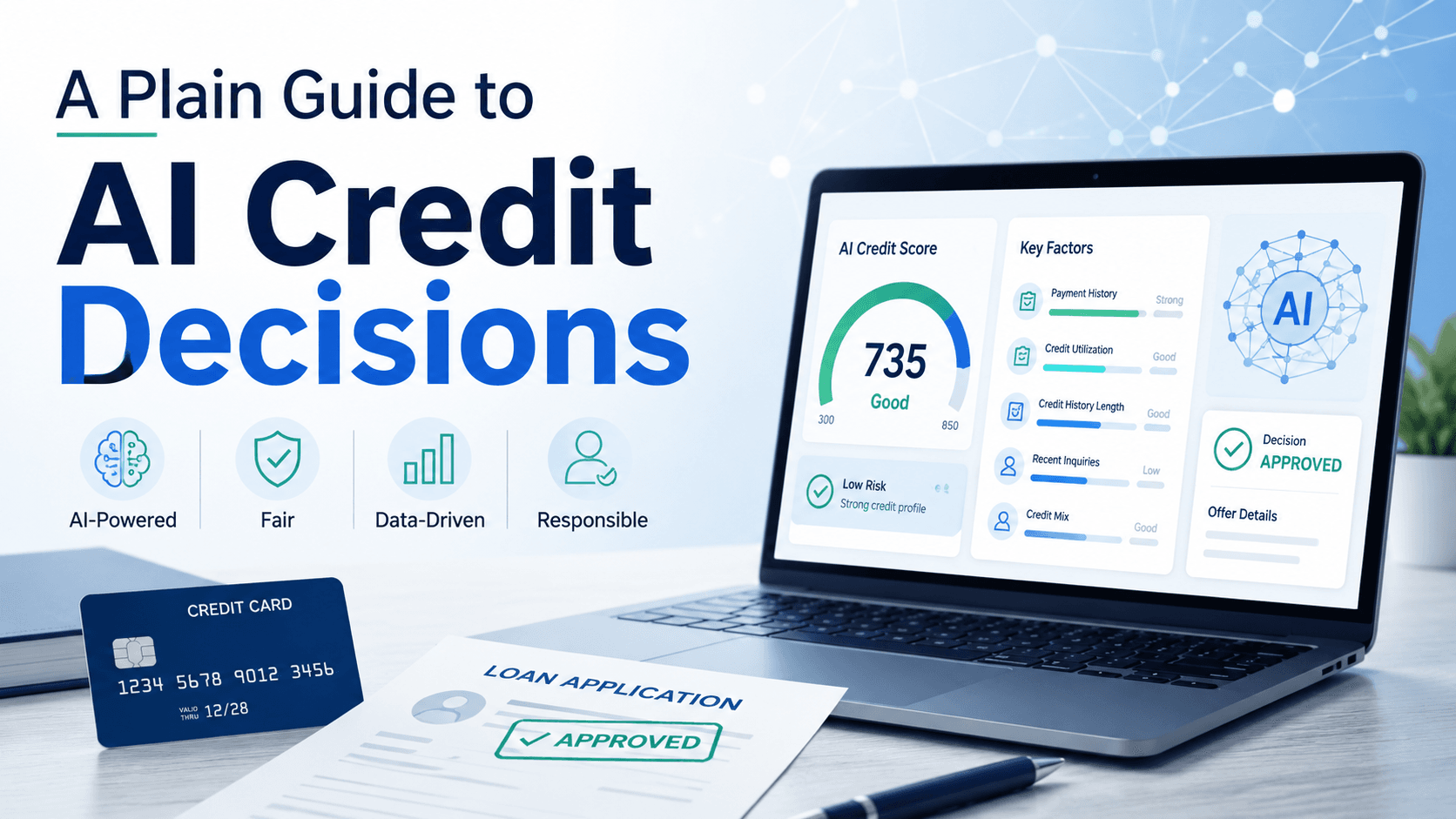
The first safety question is data, because an AI financial tool often needs deep access to be useful — sometimes a live connection to your bank accounts. That access is what makes the convenience possible, and also what raises the stakes.
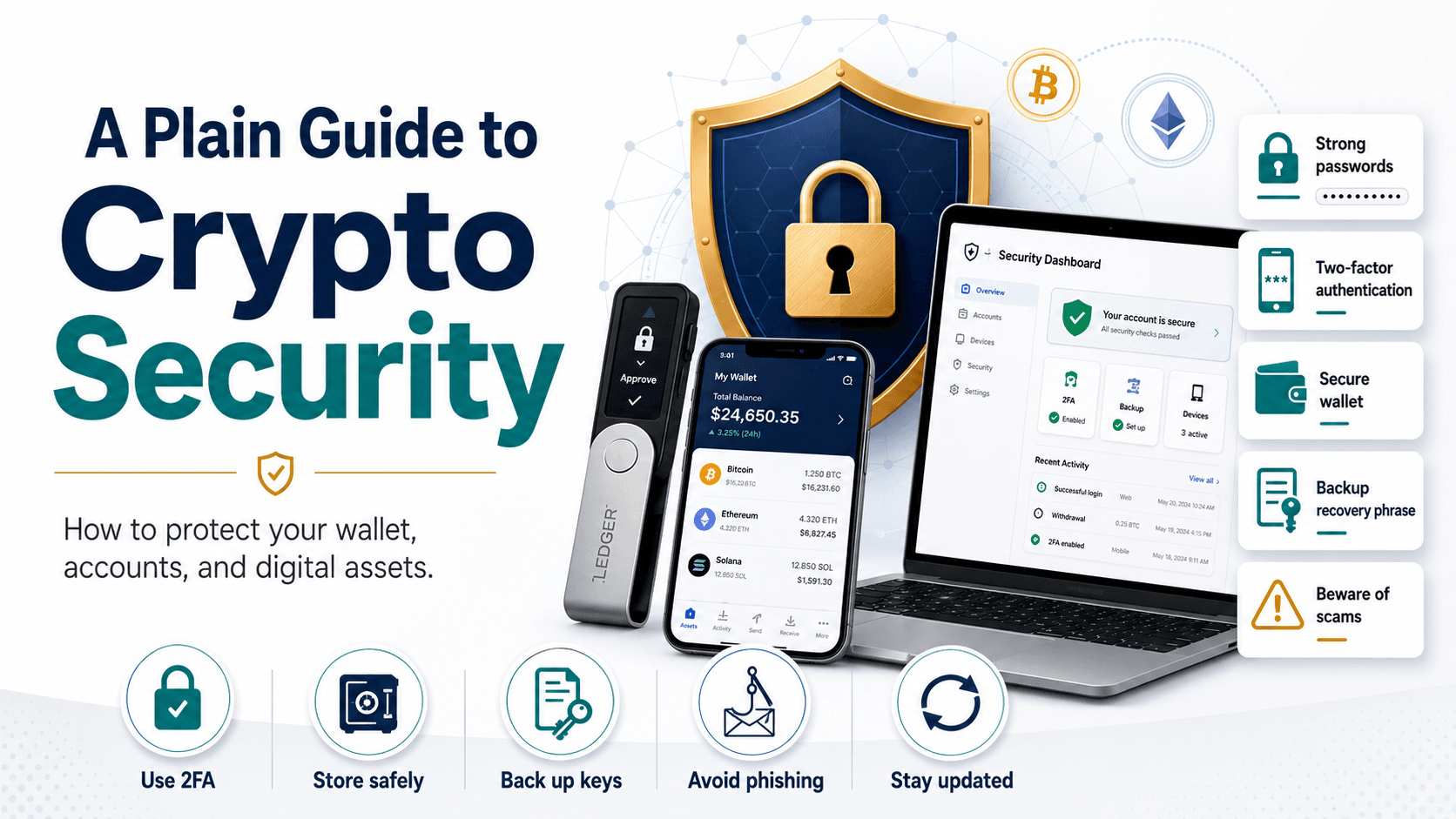
Reputable providers protect this with encryption, secure bank connections, and typically read-only access, meaning the tool can see transactions but not move money. Before connecting anything, it is worth checking how the provider stores your data, whether it sells or shares it, and whether the connection is read-only. A short read of the privacy policy and permissions screen tells you a lot.
The practical rule is to grant the least access that still does the job, and to favour an AI financial tool that is transparent about its data practices; our guide to financial data privacy covers this in depth. If a tool is evasive about what it collects or why, that alone is a reason to walk away.
It is also worth knowing that connecting an account is usually reversible. Reputable services let you disconnect a linked account and, in many regions, request that your data be deleted. Before you commit, it is reassuring to check that the tool offers a clean way out as well as a smooth way in.
When an AI financial tool gets it wrong
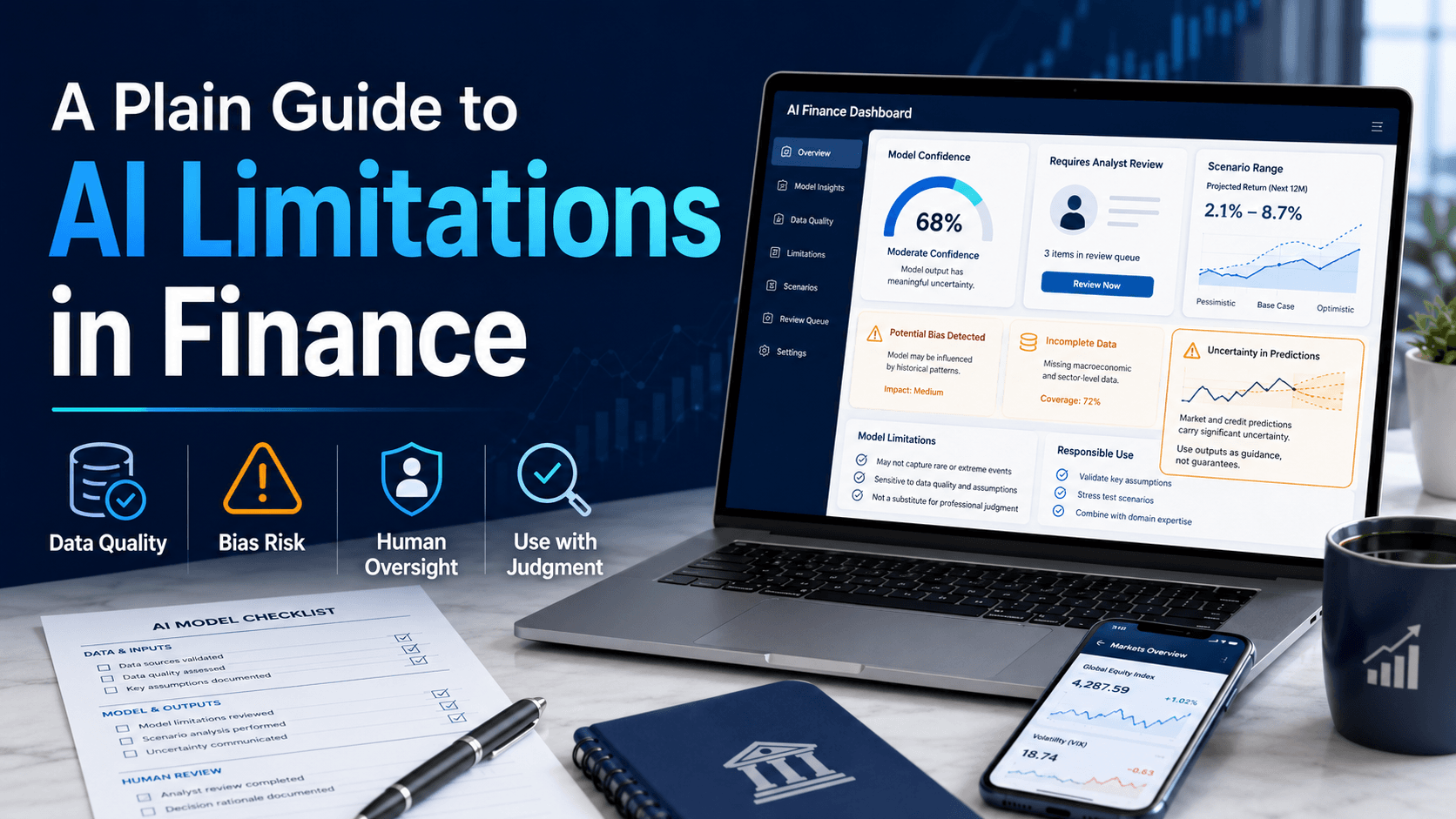
The second risk is accuracy. AI can be confidently wrong — it may state an incorrect figure or a shaky interpretation with the same fluent certainty it uses for correct ones. With money, that matters.
This does not make an AI financial tool useless; it makes a human check essential. Treat the output as a fast, capable first draft rather than a final answer, especially for anything that feeds a tax return, an investment decision, or a payment. The FTC has long stressed that automated tools should be transparent and accountable for the decisions they influence, and that scrutiny applies to your own use too.
A simple habit covers most of this: trust an AI financial tool to do the heavy lifting, but verify anything important before you act on it. The tool speeds you up; it does not absolve you of the final check.
The risk is highest precisely where the stakes are: a misread figure on a tax form, a misplaced decimal in a budget, an over-optimistic projection. None of these are reasons to avoid the tools — they are reasons to glance over the important numbers yourself before they become decisions.
An AI financial tool is not your adviser
The third risk is subtler: confusing information with advice. Most AI financial tools provide general information and automation, not regulated, personalised financial advice tailored to your situation.
This matters for robo-advisers especially, which we weigh against human advisers in our AI financial advisor vs a human guide. The SEC’s investor bulletin on robo-advisers notes that these automated programs gather your details through a questionnaire and operate within parameters set by their designers — so it is worth understanding their limits and checking how the provider is registered. An AI financial tool may also have built-in incentives, such as favouring products that earn it money.
None of that makes these tools untrustworthy; it means knowing which hat the tool is wearing. For general organisation and number-crunching, an AI financial tool is excellent. For a major, life-shaping decision, treat its output as input to a conversation with a qualified human professional, not a replacement for one.
A useful question to ask is who the tool ultimately answers to. A regulated adviser owes you a duty; a free app may owe more to whoever pays it. That does not make the tool dishonest, but it is a reason to read its output as helpful information rather than impartial counsel.
Scams that hide behind “AI”
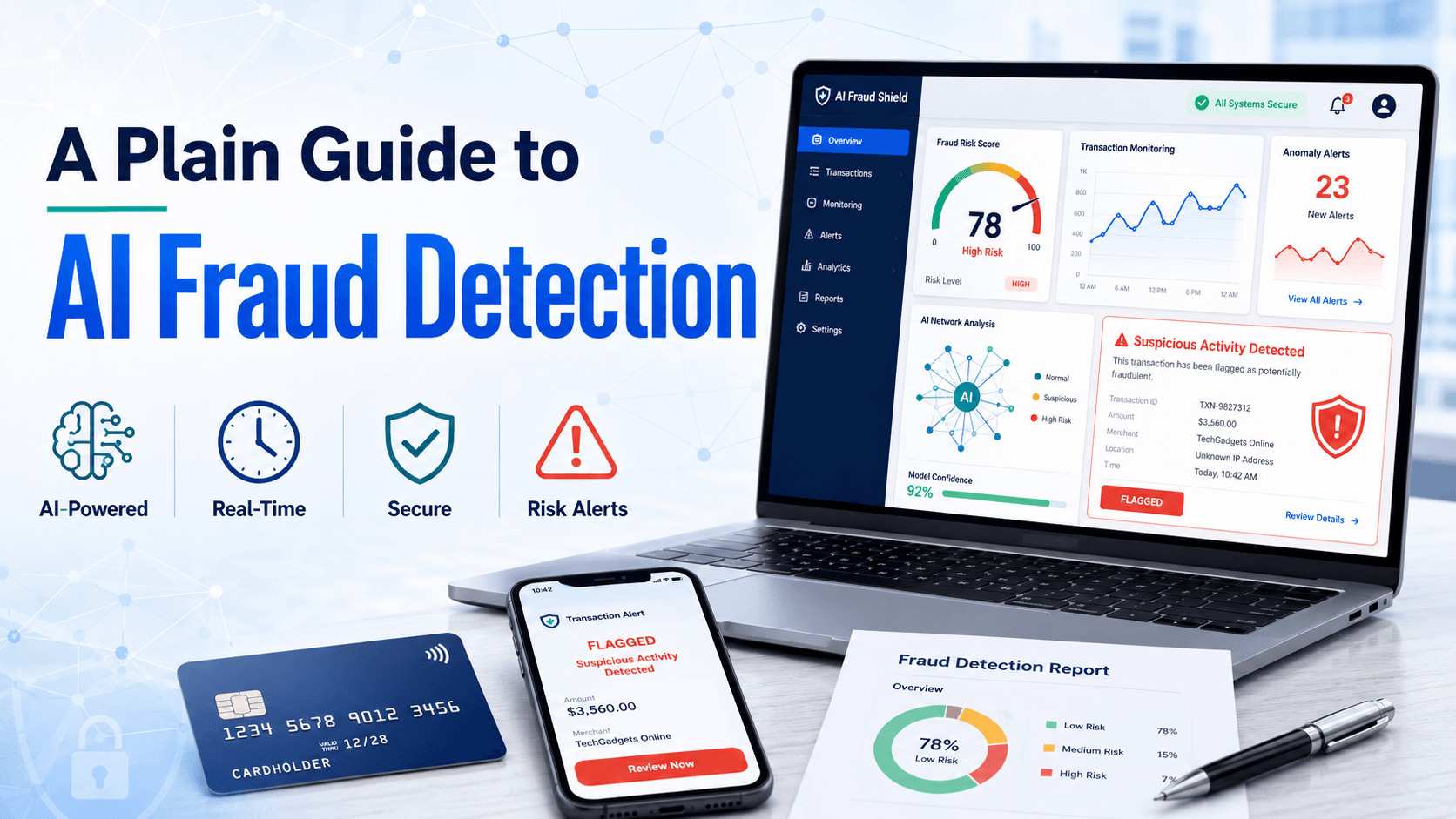
The fourth risk is the one to take most seriously: outright scams that wrap themselves in the word “AI”. A legitimate AI financial tool is one thing; a fraudster promising an “AI trading bot” with certain, outsized returns is another entirely.
The pattern is familiar. Promises of certain or outsized profits, pressure to act fast, unsolicited messages, and demands to deposit funds into an unfamiliar platform are all red flags. The FTC warns that scammers increasingly tout “AI” to make schemes sound sophisticated, and that no honest service promises certain returns. Regulators have also penalised firms for overstating their AI capabilities, a practice sometimes called “AI-washing”.
The defence is simple and powerful: be skeptical of any AI financial tool that leads with returns rather than function, verify that an investing provider is properly registered, and never move money under pressure. If it sounds too good to be true, it is.
One more habit helps here: slow down. Scams rely on urgency, and a genuine tool never needs you to act this minute. Giving yourself a day to research a provider, check its registration, and read independent reviews defuses most of the pressure these schemes depend on.
This guide is educational and general — it is not financial, investment, tax, or security advice. An AI financial tool is not a licensed adviser, its output can be wrong, and you remain responsible for decisions made with it. Nothing here is a recommendation to use any specific tool. For decisions that affect your money, verify important outputs and consider a qualified, regulated professional.
How to use an AI financial tool safely
Put the four risks together and a short set of habits keeps you on the safe side of almost any AI financial tool.
None of these habits is complicated, and together they cover the four risks at once. Think of them less as a checklist to fear and more as the basic hygiene that lets you enjoy what these tools do well without inheriting their downsides.
Choose reputable, established tools
Favour well-known products with a track record, clear ownership, and transparent practices over obscure apps promising the world. For anything touching investments, confirm the provider is registered with the relevant authority before connecting an account.
Mind the permissions
Read what an AI financial tool asks to access and grant only what it needs. Prefer read-only connections, protect your login credentials, and never share passwords or recovery details with a tool or a person claiming to represent one.
Keep a human in the loop
Use the tool to do the work, then check anything that matters before acting. The combination of an AI financial tool for speed and your own judgement for the final call is far safer than either alone.
Where an AI financial tool genuinely helps
For all the caveats, the upside is real, and it would be unfair to leave the impression that an AI financial tool is mostly risk. Used well, these tools save time and catch things people miss.
They are strong at the repetitive, data-heavy work: categorising spending, reconciling bookkeeping, flagging unusual transactions, surfacing tax deductions, and turning messy records into clear summaries. In these jobs, an AI financial tool is fast, tireless, and often more thorough than a rushed human. That is where the genuine value sits.
The caution is reserved for the other end: irreversible decisions, regulated advice, and anything where being confidently wrong is costly. Lean on an AI financial tool for the legwork, and keep your own judgement for the calls that matter. Used that way, the benefit comfortably outweighs the risk for most people.
The clearest wins tend to be unglamorous: a few hours saved each month, a deduction that would otherwise have slipped through, a tidy summary that makes a stressful task feel manageable. That quiet, repeatable usefulness is the real reason these tools have spread so quickly.
How we review AI financial tools
Because “safe” and “useful” vary so much between products, the only honest approach is to assess each AI financial tool on its merits rather than trusting the category as a whole.
That is what our reviews aim to do: look at what a tool actually does, how it handles your data, where its limits lie, and whether it earns its place — without leaning on the marketing. Our review methodology explains how we test, and you can browse the results across categories, from budgeting apps to tax software and beyond, in our AI tools hub.
The aim is simple: help you tell a genuinely useful, trustworthy AI financial tool from one that is merely loud, so the decision rests on evidence rather than hype.
No single review can crown a category as safe or unsafe, and we would be wary of anyone who tried. What we can do is give you the facts on each AI financial tool — what it accesses, what it does well, where it stumbles — and let you weigh them against your own needs.
AI financial tool FAQ
Are AI financial tools safe to use?
A reputable AI financial tool, used with sensible habits, is generally safe. Safety depends on the specific product and how you use it — your data being protected, the output being accurate, the limits being clear, and the provider being legitimate. Most risk is within your control.
Is it safe to connect my bank account to an AI financial tool?
With an established provider that uses encryption and read-only connections, it is usually reasonable. Check the privacy policy, confirm the connection cannot move money, and grant the least access needed. If a tool is evasive about its data practices, do not connect it.
Can an AI financial tool give me financial advice?
Most provide general information and automation, not regulated, personalised advice. Robo-advisers operate within preset parameters and registration rules. For major decisions, treat an AI financial tool’s output as input to a conversation with a qualified professional, not a substitute for one.
Can I trust the numbers an AI financial tool gives me?
Use them, but verify anything important. AI can present an incorrect figure with complete confidence, so treat the output as a capable first draft. For anything feeding a tax return, an investment, or a payment, check it before you act.
How do I spot an AI financial tool that is actually a scam?
Be wary of promises of certain or outsized returns, pressure to act fast, unsolicited offers, and requests to deposit money into an unfamiliar platform. Legitimate tools lead with what they do, not with returns. For investing tools, verify the provider is properly registered.
What does “AI-washing” mean?
It is when a product overstates its use of AI to sound more advanced than it is. Some tools marketed as “AI-powered” rely on simple automation, and regulators have penalised firms for exaggerated claims. It is a reason to judge an AI financial tool by what it does, not what it is called.
Do AI financial tools replace accountants or advisers?
Not for judgement-heavy or regulated work. An AI financial tool is excellent at organising data, finding deductions, and routine number-crunching, which can reduce what you pay a professional for. But for complex or high-stakes decisions, the human still adds value the tool cannot.
How can I use an AI financial tool most safely?
Choose reputable, established products; grant the least access needed and prefer read-only connections; protect your credentials; and keep a human check on anything important before acting. That combination handles the data, accuracy, advice, and scam risks at once.
The bottom line on AI financial tools
An AI financial tool is neither a miracle nor a menace. It is a powerful assistant that is safe to use when you pick a reputable product, understand what it can access, know where its limits lie, and keep your own judgement in the loop. The danger is rarely the technology itself; it is using it carelessly or trusting a tool that should not be trusted.
Approached that way, the question shifts from a nervous “is it safe?” to a practical “is this one safe, and am I using it well?” — which is a question you can actually answer.
Judge an AI financial tool on four things: data (favour encryption and read-only access), accuracy (verify anything important), advice (it is not a licensed adviser), and legitimacy (avoid anything promising certain returns). Choose established products, grant the least access needed, protect your credentials, and keep a human check on decisions that matter. Used that way, the benefit outweighs the risk for most people.
If you take one thing from this guide, let it be that safety with an AI financial tool comes from how you choose and use it, not from the label. For the wider view, read our AI in personal finance guide, and when you are ready to compare specific tools, our reviews can help. Last reviewed: June 2026.
Continue exploring Ladabo
Pick what’s most useful for you next
Educational content only. This AI financial tool guide is general education, not personalised financial, investment, tax, or security advice. AI tools vary widely, are not licensed advisers, and can produce incorrect output. Ladabo may earn commissions when you sign up to tools via our affiliate links, but our guidance reflects research and established principles, not commission rates. For decisions specific to your circumstances, verify important outputs and consult a qualified professional. Review methodology · Full disclosure.