Investing Guides
Investing guides — index funds, ETFs, dividend investing, asset allocation, retirement accounts, and portfolio building.

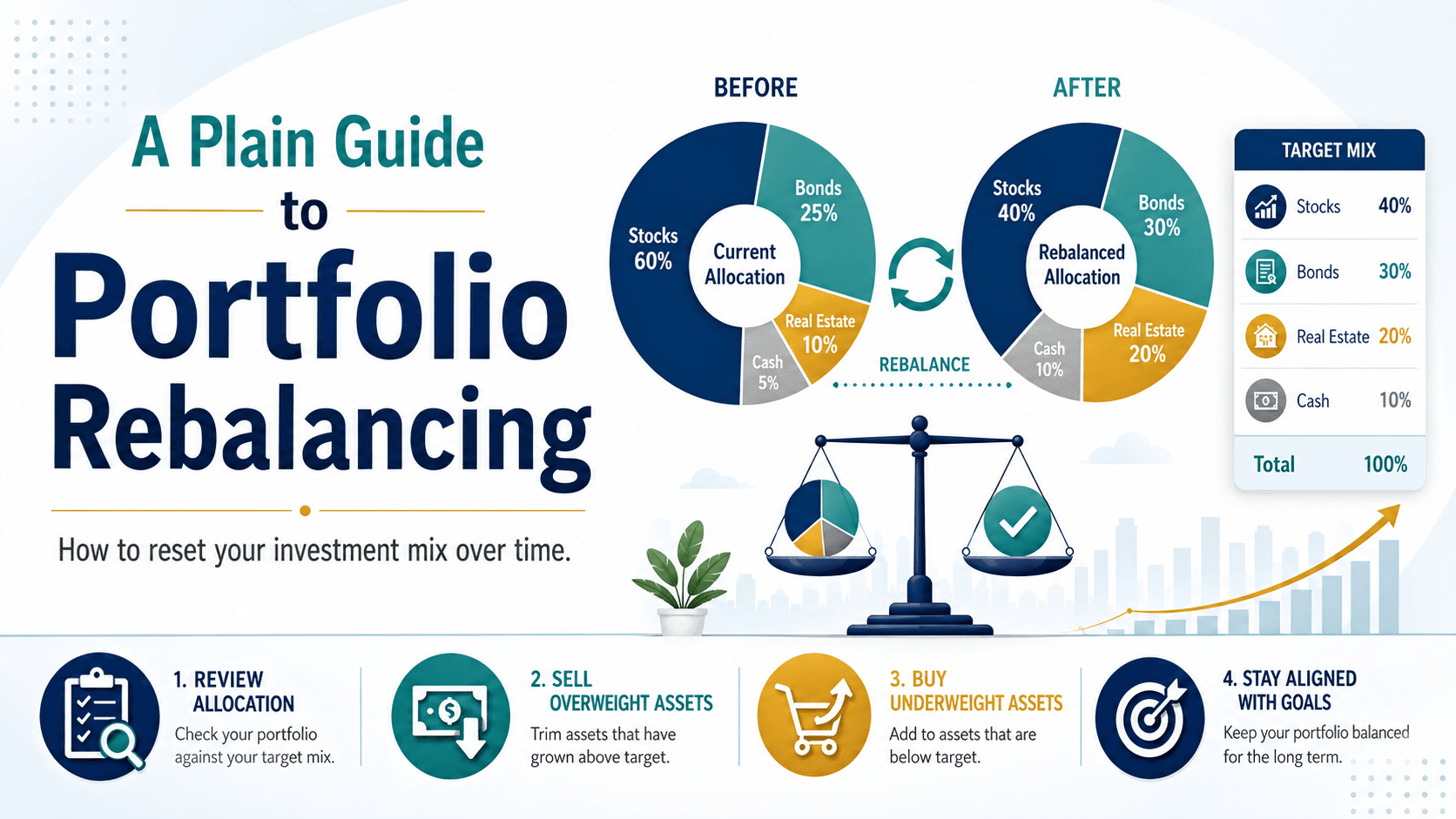
A Plain Guide to Portfolio Rebalancing
What portfolio rebalancing is in plain English, why portfolios drift toward more risk than you intended, the methods people use (selling and buying, new money,…
What Is a Brokerage Account and How to Choose One
What a brokerage account is in plain English, the main types including tax-advantaged accounts, how brokers actually make money, what genuinely matters when choosing one,…
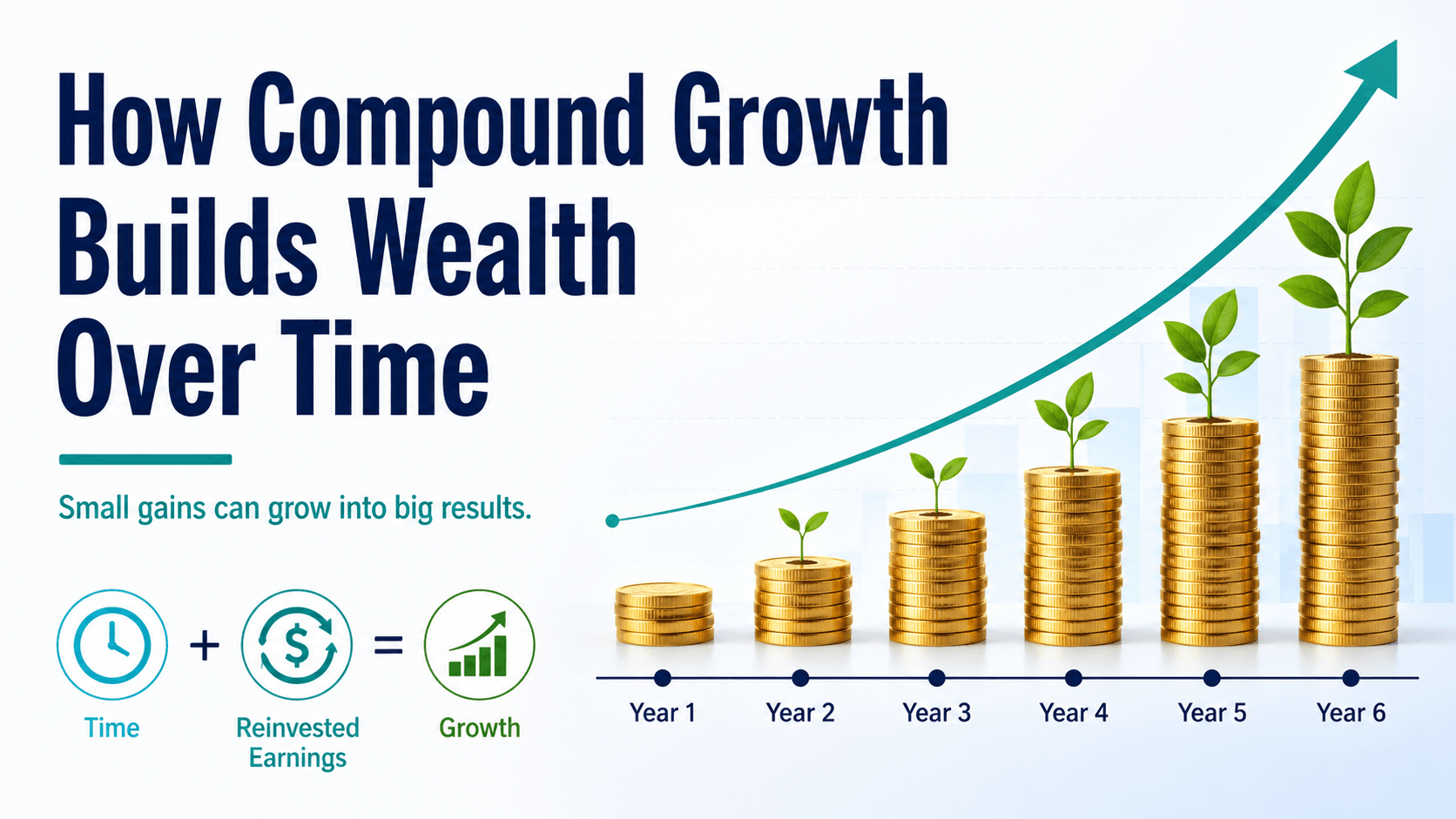
How Compound Growth Builds Wealth Over Time
What compound growth is in plain English, why it multiplies rather than adds, why time is its most important ingredient, the steep cost of starting…
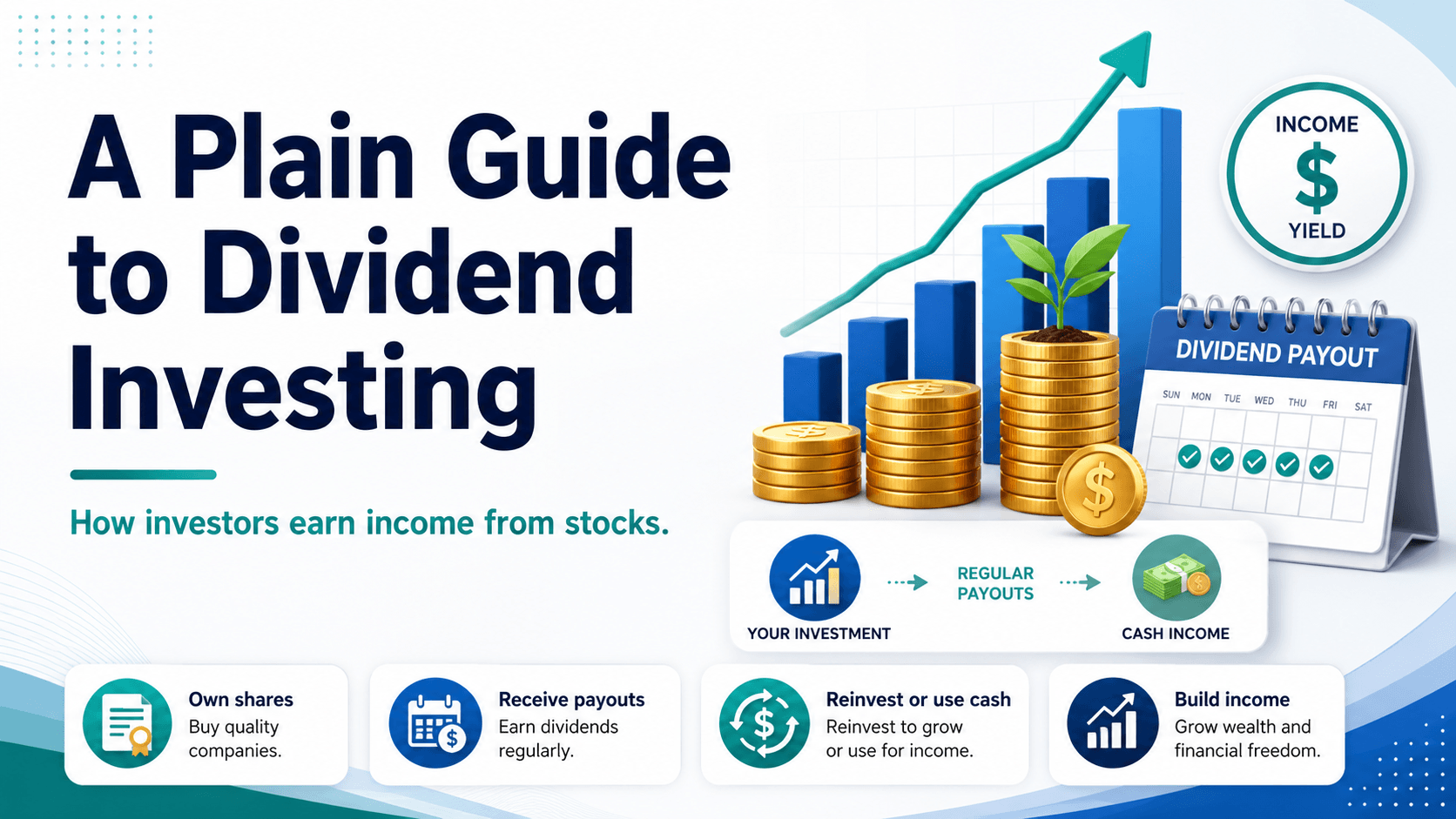
A Plain Guide to Dividend Investing
What dividend investing is in plain English, how dividend yield works and why a high one can be a trap, why total return beats income…
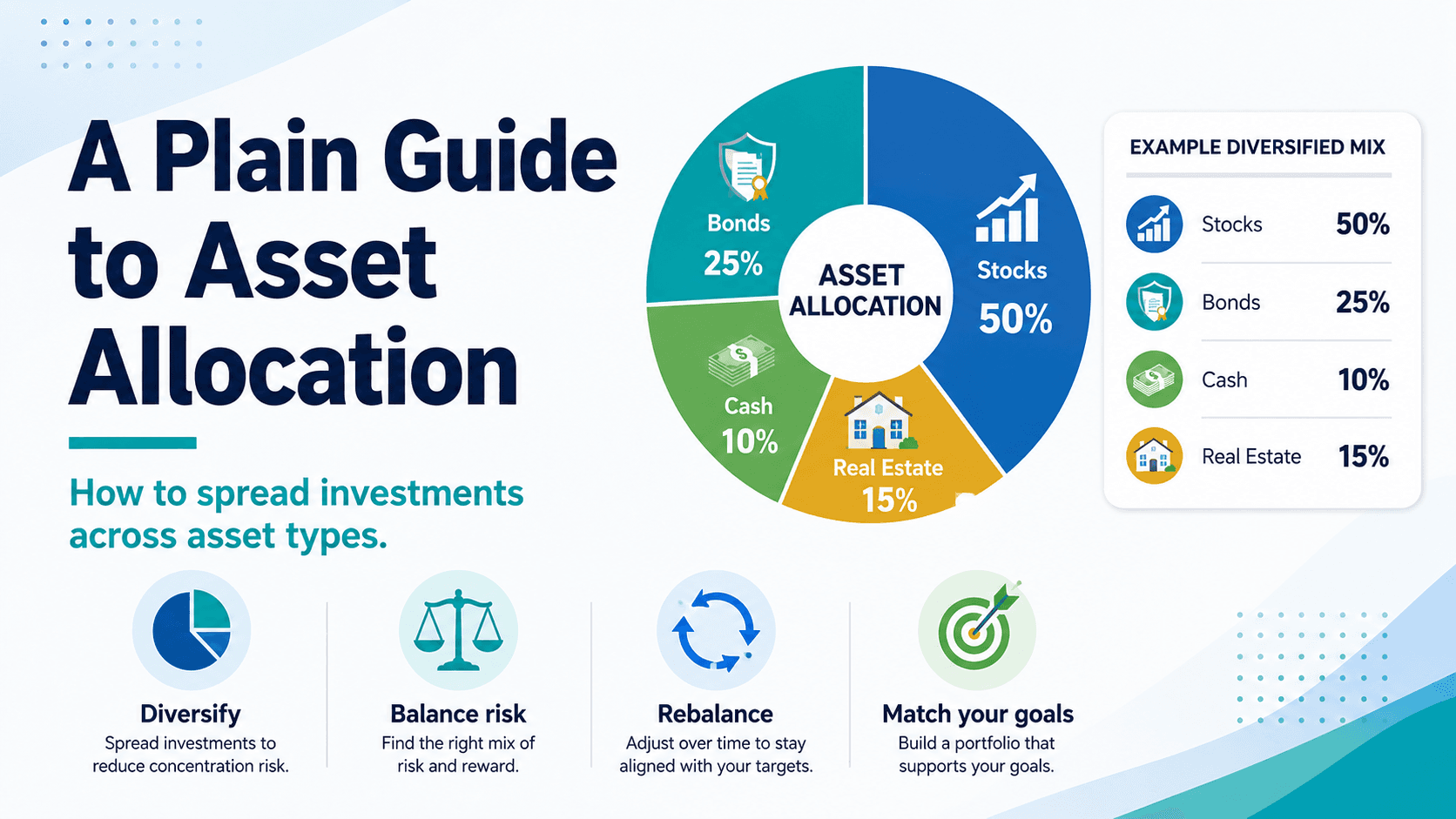
A Plain Guide to Asset Allocation
What asset allocation is in plain English, why the broad mix of shares, bonds, and cash drives most of your portfolio’s risk and return, how…
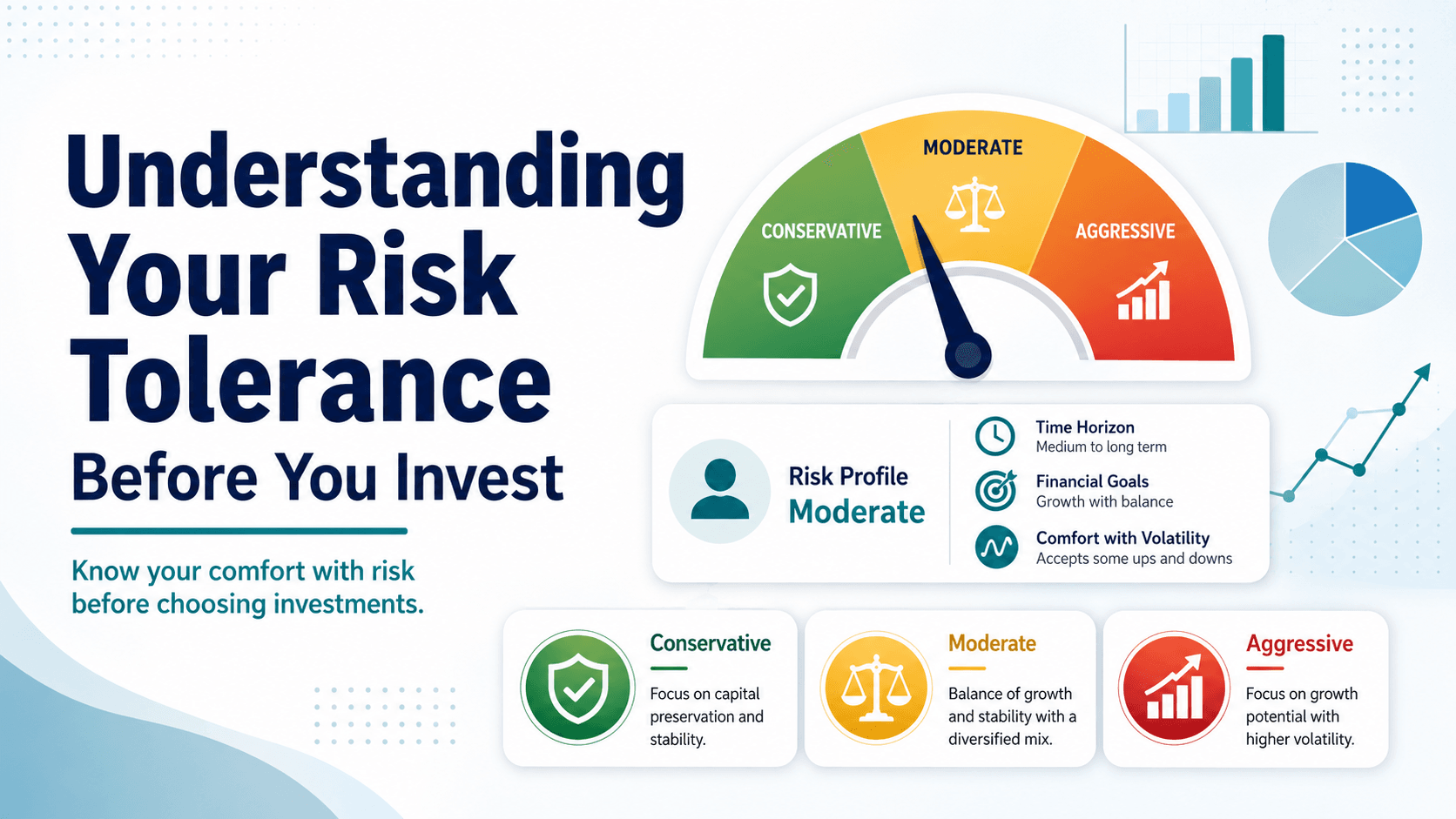
Understanding Your Risk Tolerance Before You Invest
What risk tolerance means in plain English, the difference between your ability and willingness to take risk, what shapes it, and how to turn an…
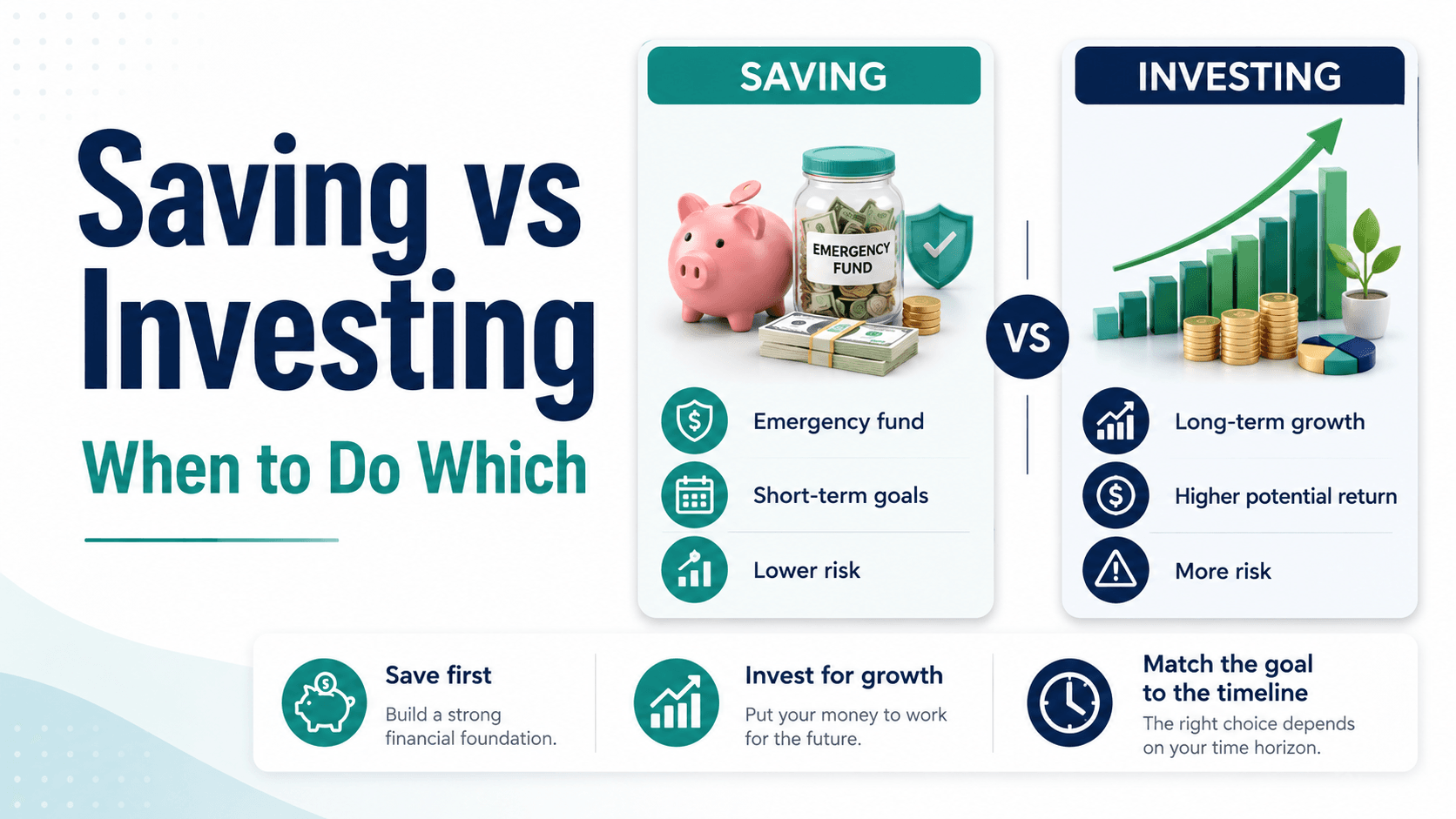
Saving vs Investing: When to Do Which
The real difference between saving and investing in plain English, when each is the right call, why time horizon decides most of it, and a…
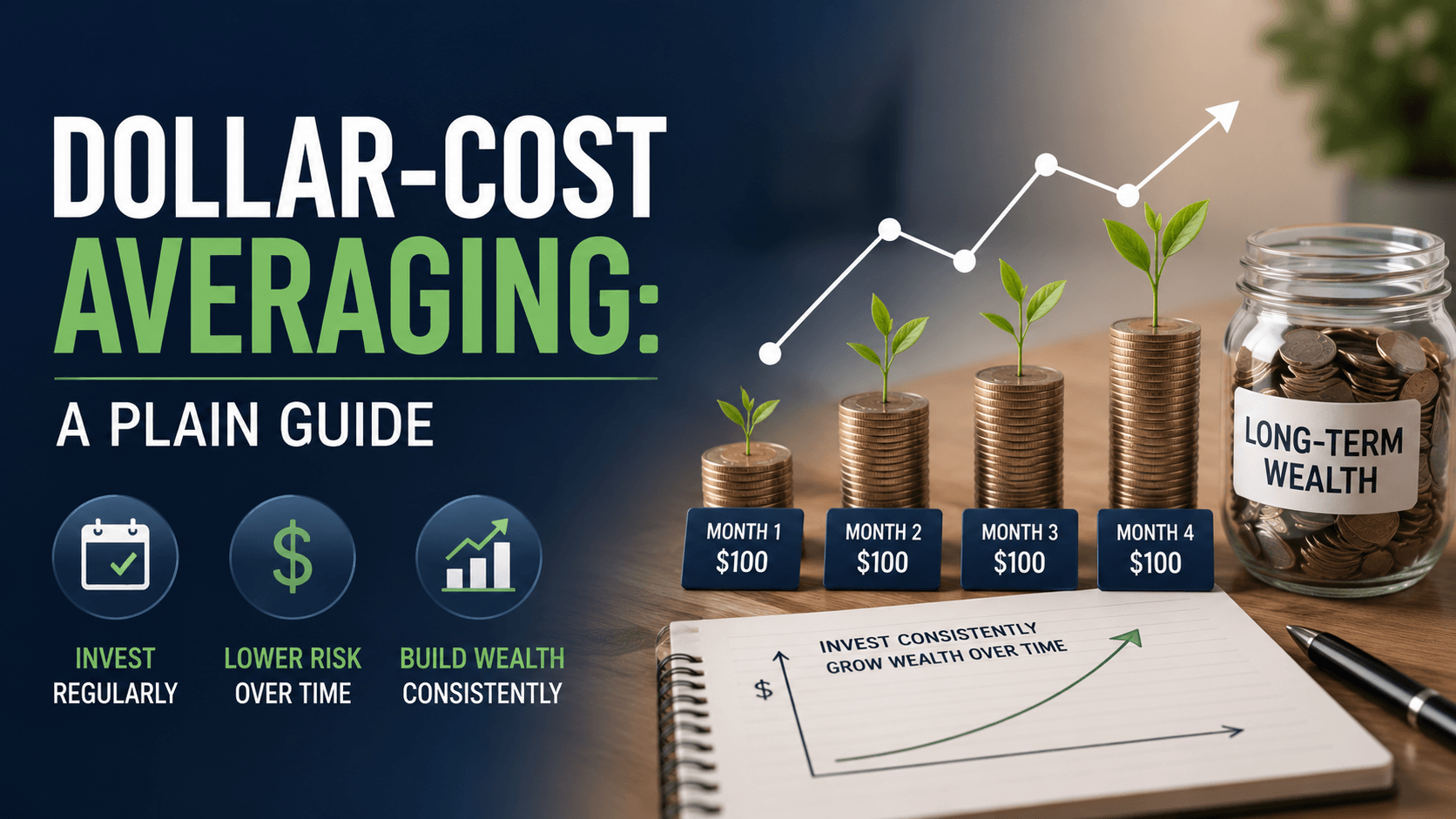
Dollar-Cost Averaging: A Plain Guide
What dollar-cost averaging is, how it works, how it compares with a lump sum, and how to start.
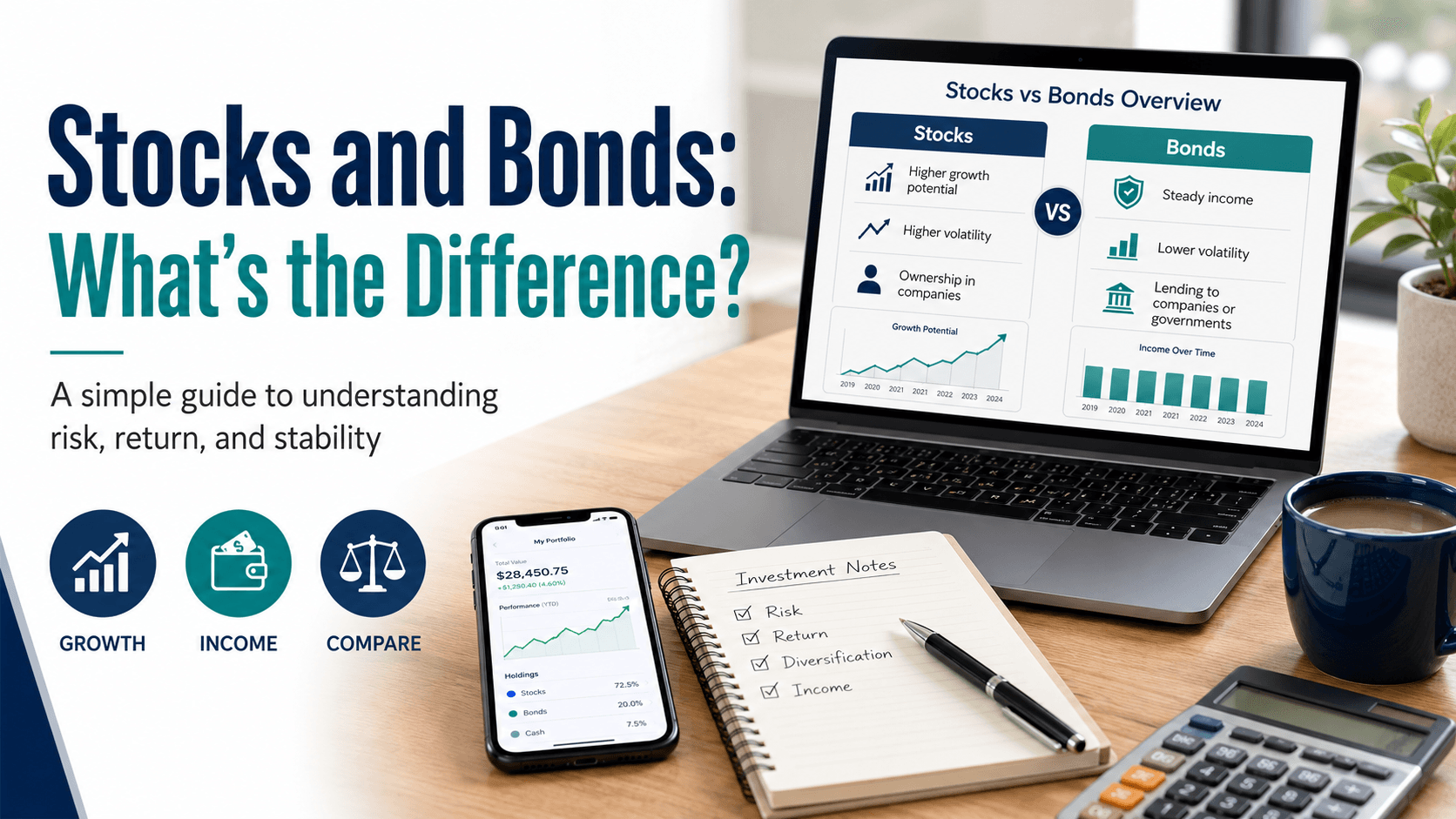
Stocks and Bonds: What’s the Difference?
Stocks and bonds explained: ownership vs lending, risk and return, why hold both, and how to buy them simply.
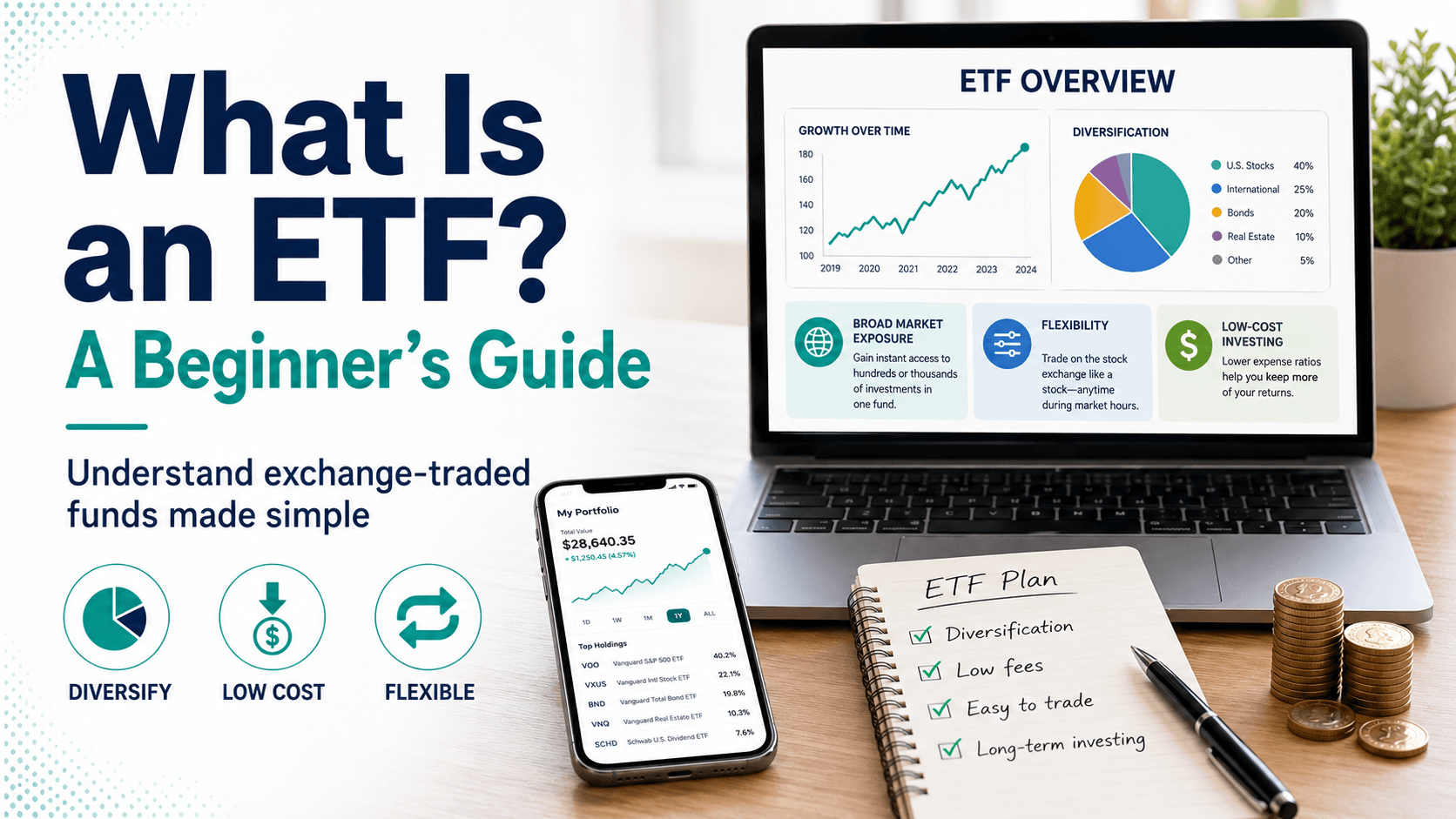
What Is an ETF? A Beginner’s Guide
An ETF explained for beginners: what it is, how it works, ETF vs index fund, ETF vs mutual fund, the risks, and how to start.
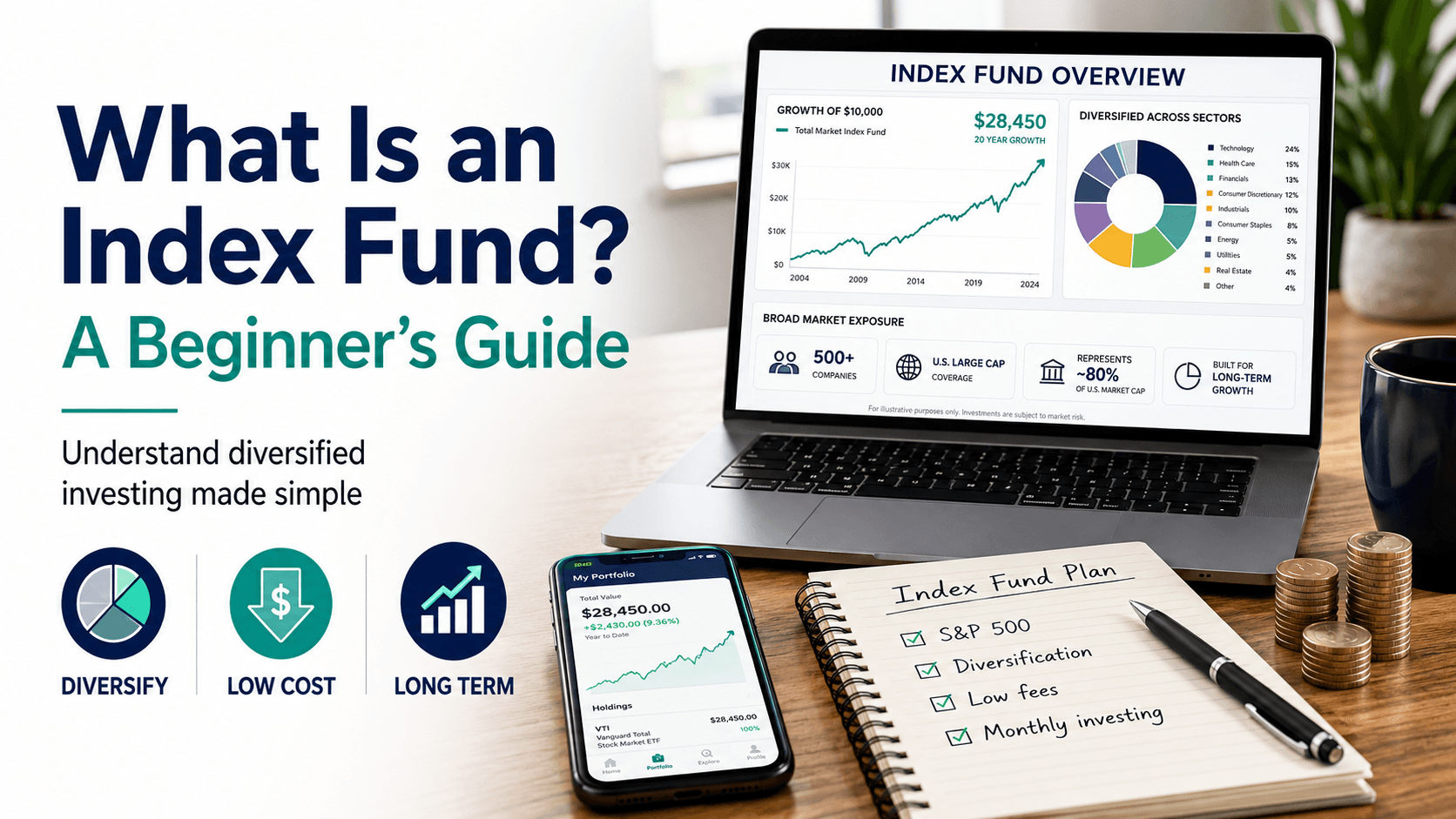
What Is an Index Fund? A Beginner’s Guide
An index fund explained for beginners: what it is, how it works, index fund vs ETF, the risks, and how to start investing.
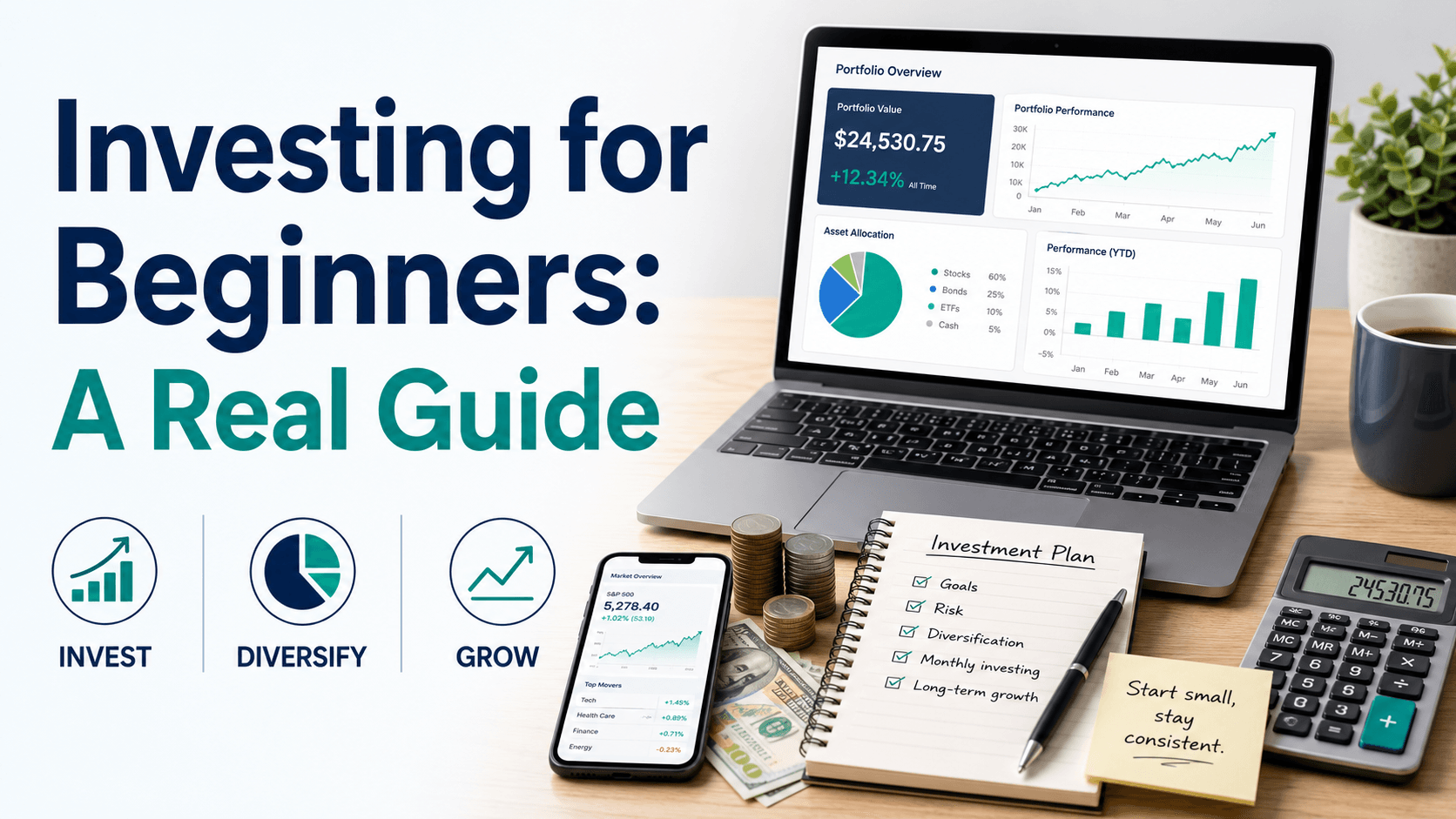
Investing for Beginners: A Real Guide
Investing for beginners, plain English. Compound interest, diversification, index funds, retirement accounts, and how to actually start.